Islamabad Colony

![5 Marla Used Low Price House For Sale in G-11 Islamabad [ urgent sale ] sasta makan](https://imghwzq.soufunimg.com/youtube/t-Llnz7ZFOk.jpg)



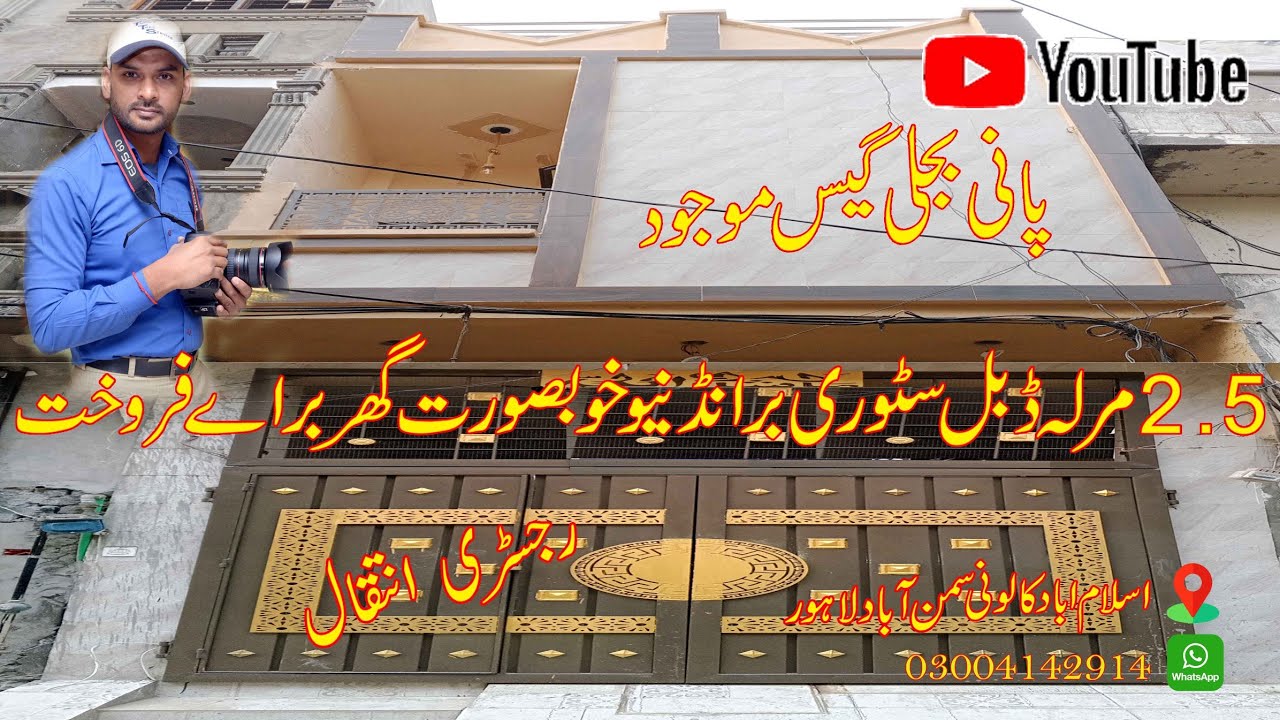
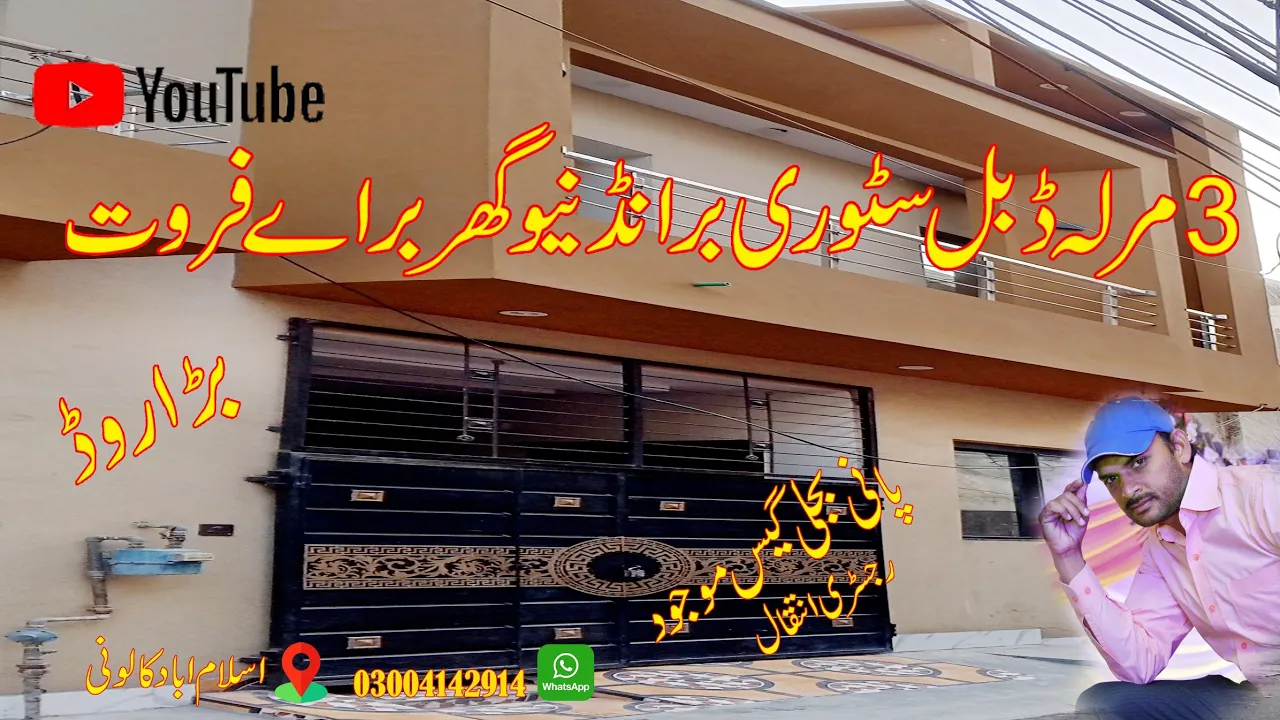

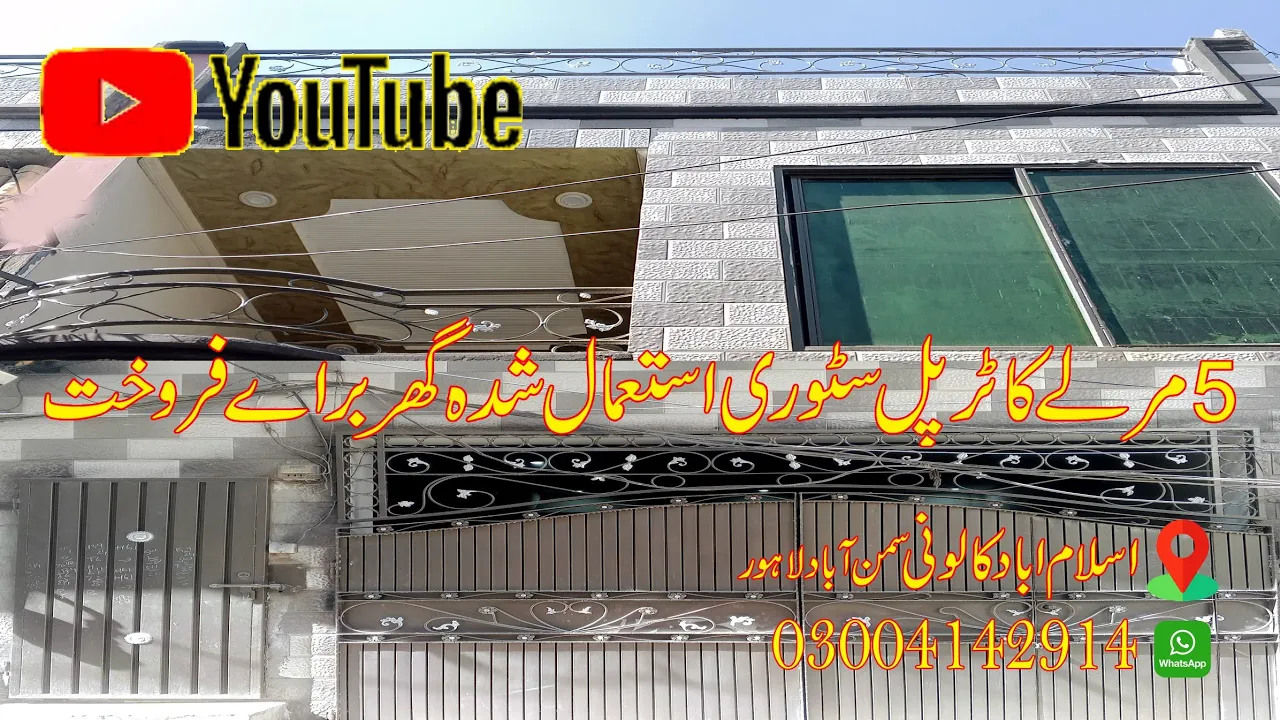
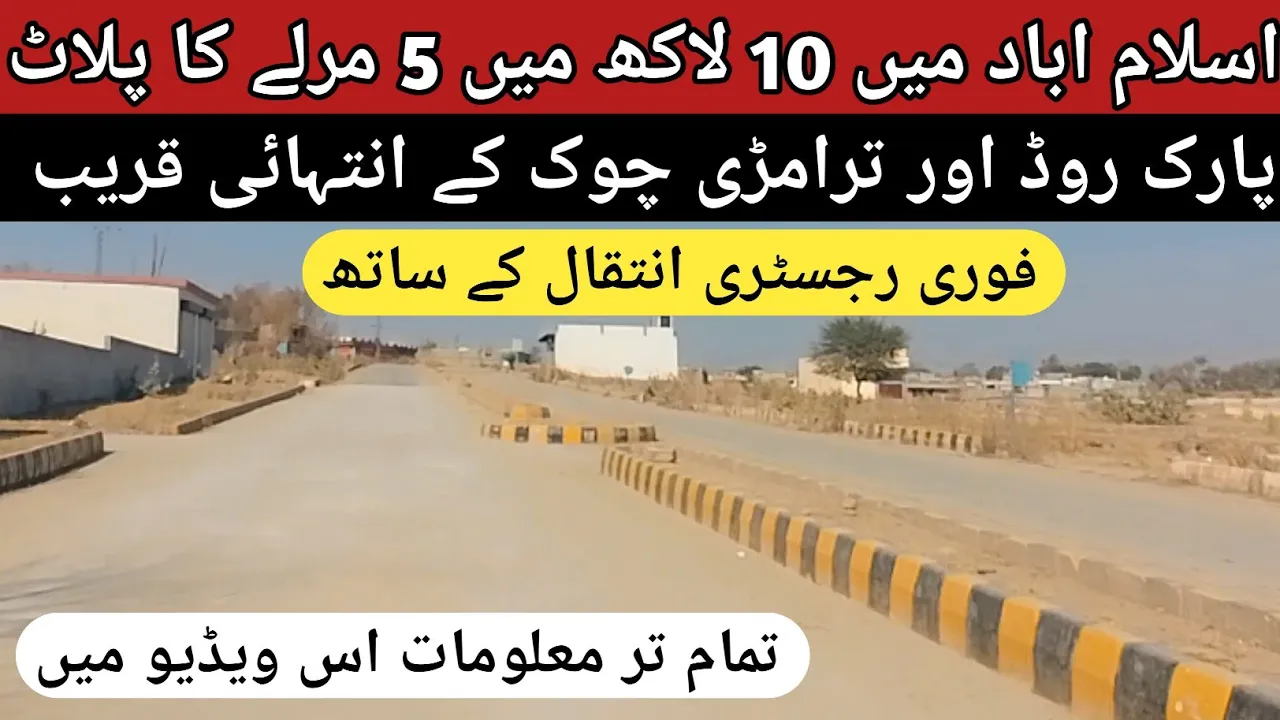


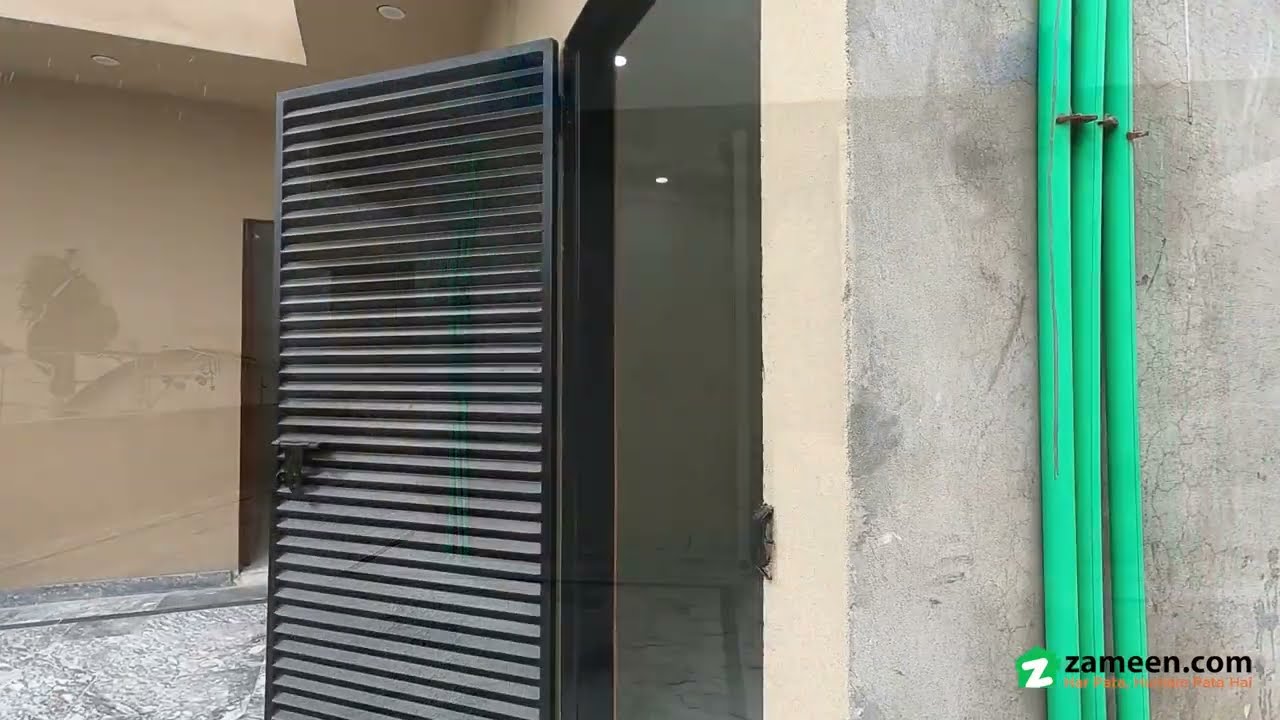
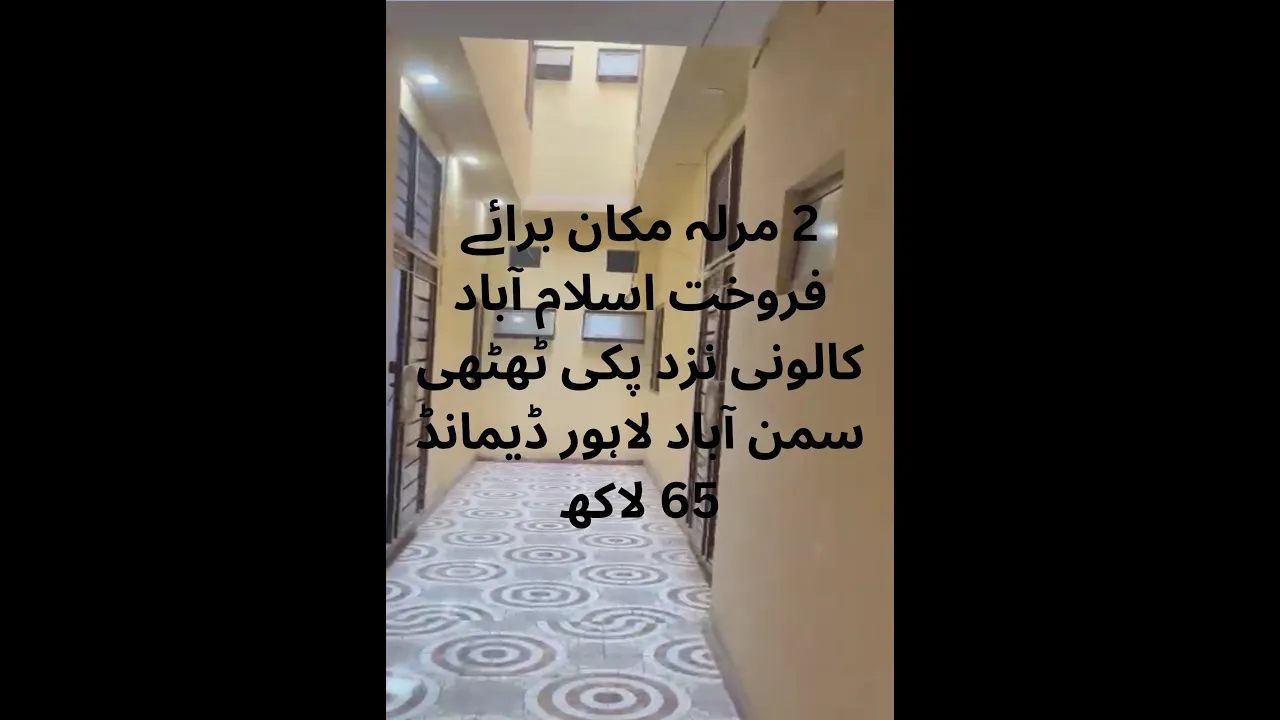
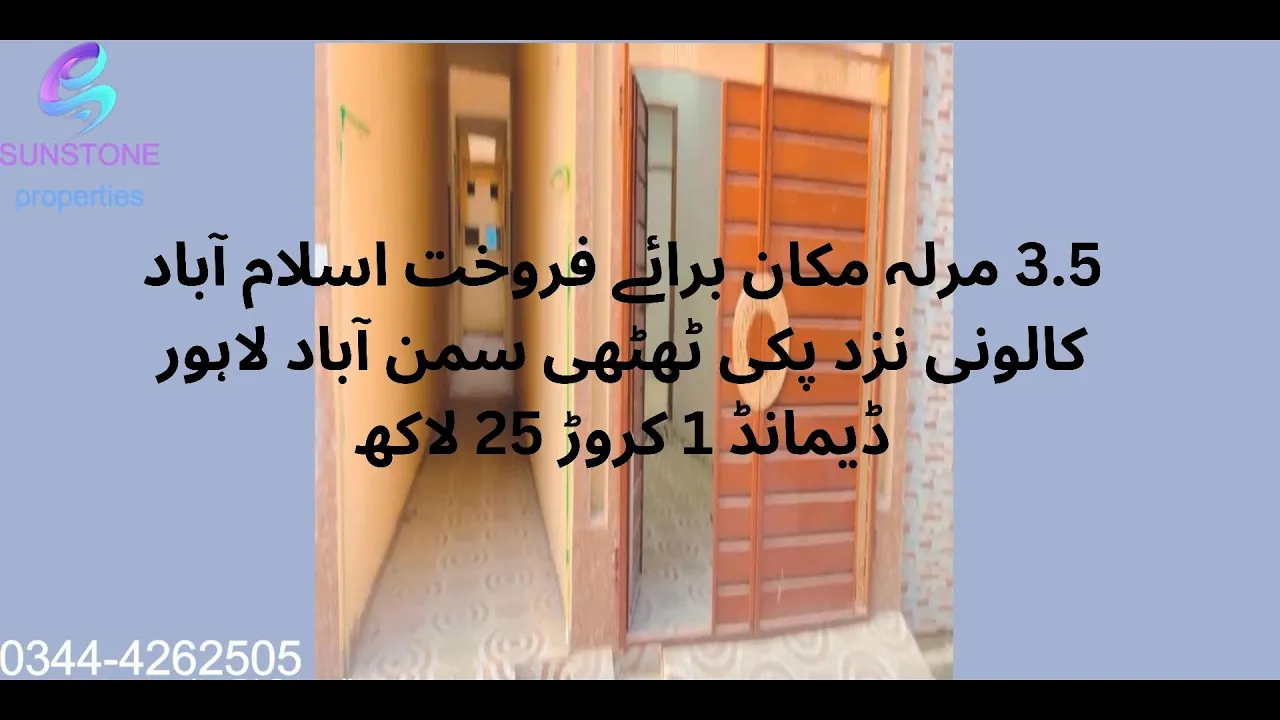
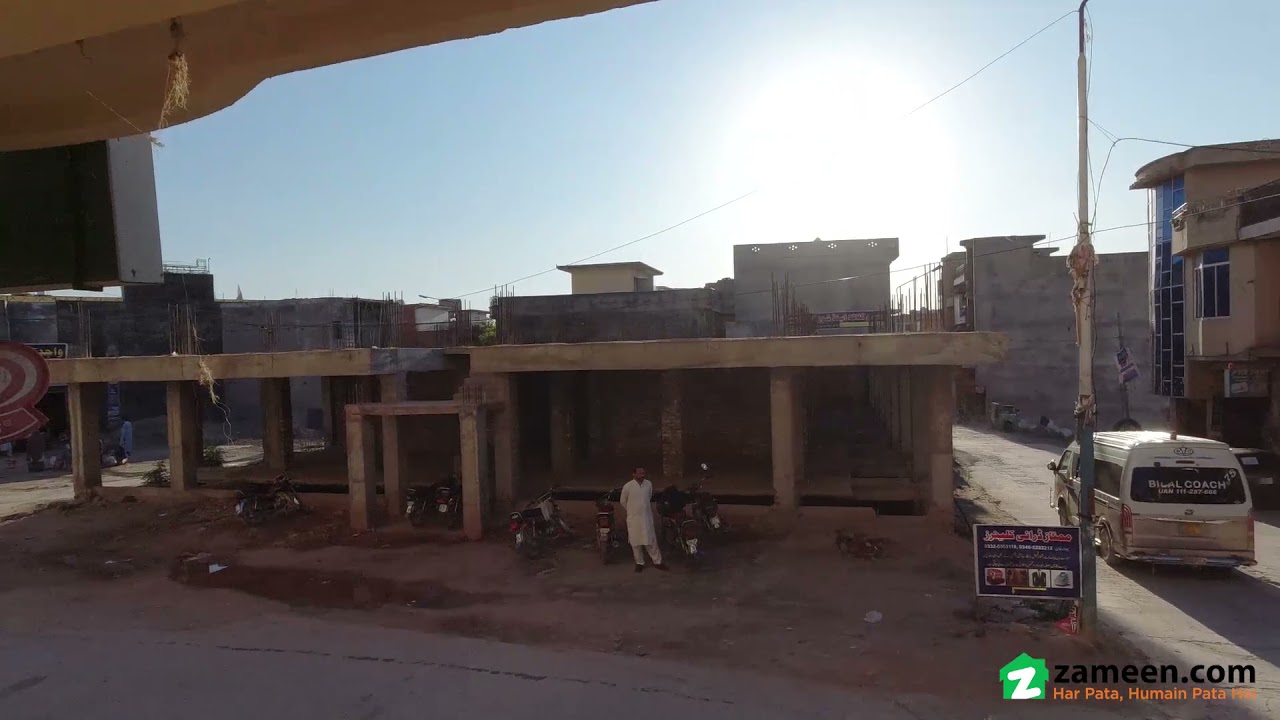
Details
Islamabad Colony was originally laid out by the Lahore Development Authority (LDA) and later expanded by private developers under the Islamabad Colony Development Society. It offers a mix of 5-marla and 10-marla plots along with ready-built homes, featuring well-paved streets, community mosques, a primary school, and local markets. The community enjoys easy access to Main Boulevard, DHA, Gulberg, and the Lahore Ring Road, making it a convenient and affordable choice for residents. Positioned as a well-connected, low-maintenance neighborhood, it provides essential amenities and strong resale potential.
- Developer: Lahore Development Authority (LDA) and Islamabad Colony Development Society
- Ideal For: Ideal for middle-income families, first-time buyers, and investors seeking an affordable, well-connected community with good resale potential.
Map-calculated
In total
In total
Latest Updates
Islamabad Colony Lahore Faces Severe Water-Logging After Monsoon Floods
Islamabad Colony in Lahore has been severely affected by water-logging following recent monsoon floods, prompting the Lahore Development Authority (LDA) to launch emergency drainage repairs and issue clearance notices targeting illegal encroachments that exacerbate flooding. While broader anti-illegal-housing enforcement actions by the National Accountability Bureau (NAB) are ongoing across Lahore, Islamabad Colony itself has not been specifically named in those investigations.
NAB Launches Citywide Crackdown on Illegal Housing Societies in Lahore
The National Accountability Bureau (NAB) has intensified its enforcement against illegal housing societies across Lahore and Islamabad, citing widespread fraud, unauthorized development, and violations of zoning laws. Over 500 LDA-approved schemes have been declared illegal in 2025, and major culprits involved in property scams have been arrested, with recovery efforts underway to protect public investments.
Pakistan Government Warns Against Construction on Riverbeds Amid Flood Crisis
Pakistan’s Climate Change Minister Musadik Malik has issued a strong warning to wealthy developers, vowing state action against resorts, hotels, and housing societies—including those in Lahore—built on riverbeds and flood-prone zones. The government is deploying satellites, drones, and AI to monitor flood risks, and has declared such developments as an 'agent of destruction' for poor communities.
Lahore Renames Streets to Restore Pre-Partition Heritage
As part of the Punjab government’s Lahore Heritage Area Revival (LHAR) project, several Lahore localities—including areas near or adjacent to historically significant neighborhoods—are reverting to pre-partition names like Krishan Nagar, Ram Gali, and Jain Mandir Chowk. The initiative aims to preserve cultural heritage, boost tourism, and signal political liberalization to international institutions including the IMF and FATF.

Convenient location near major arteries such as Ferozepur Road, providing easy access to commercial markets, schools, and hospitals.


Narrow, often pothole-ridden streets.
Noise and traffic congestion, especially during peak hours.
Moderate security with limited gated entry and occasional reports of stray dogs or petty theft.
Irregular water pressure and occasional supply cuts.
Lack of well-maintained parks, playgrounds, and recreational facilities.