Railway Quarter


Details
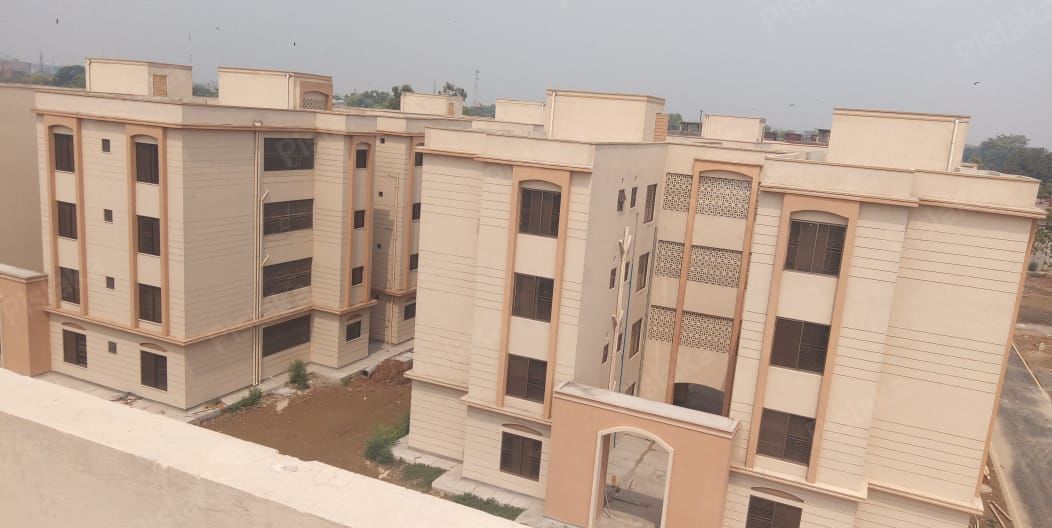
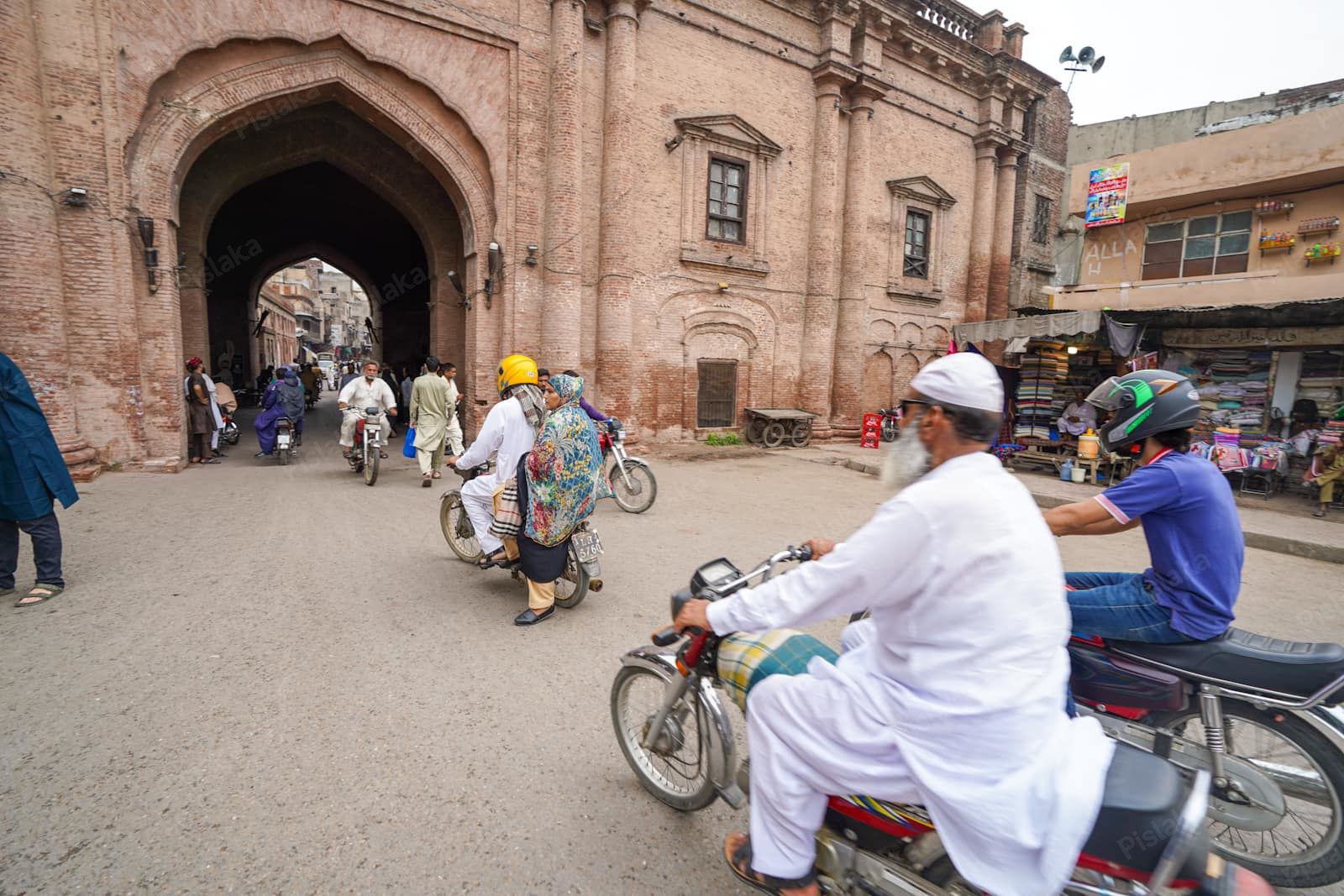
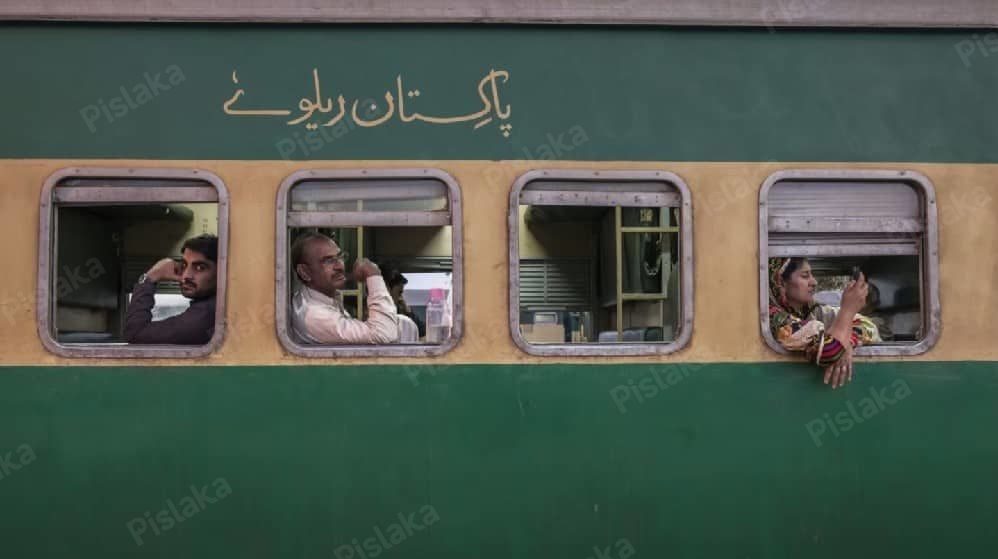
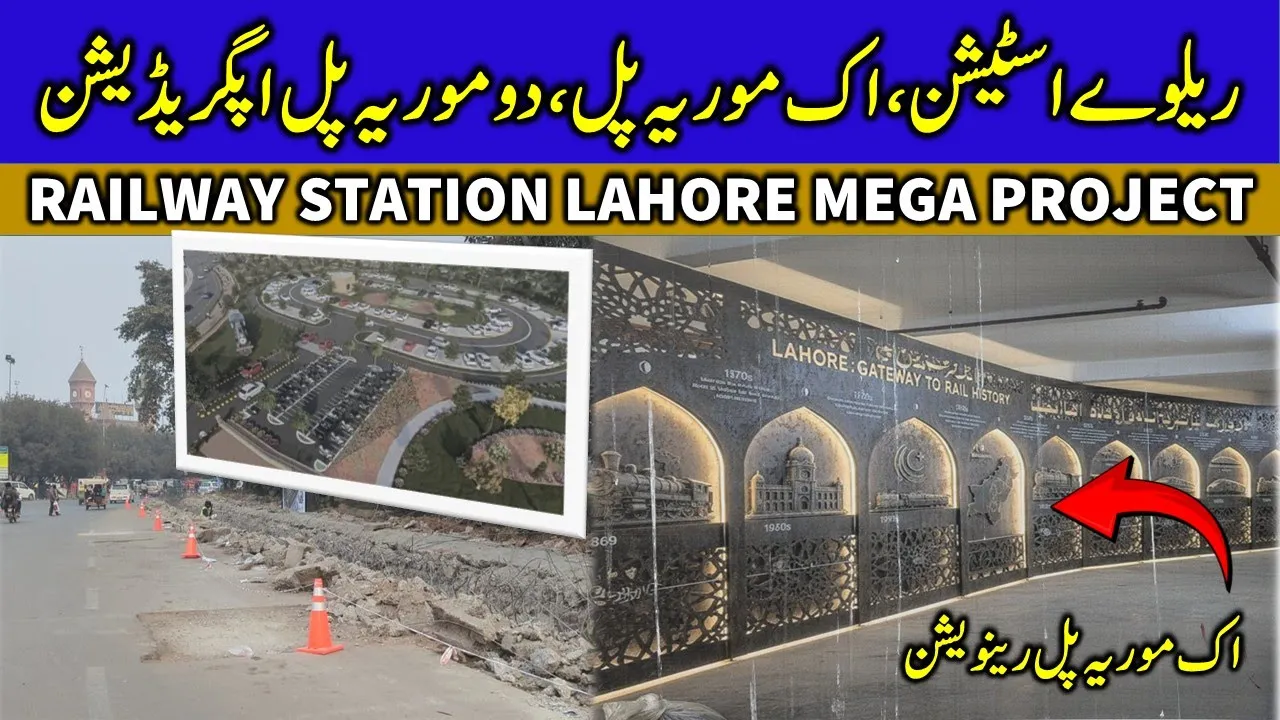
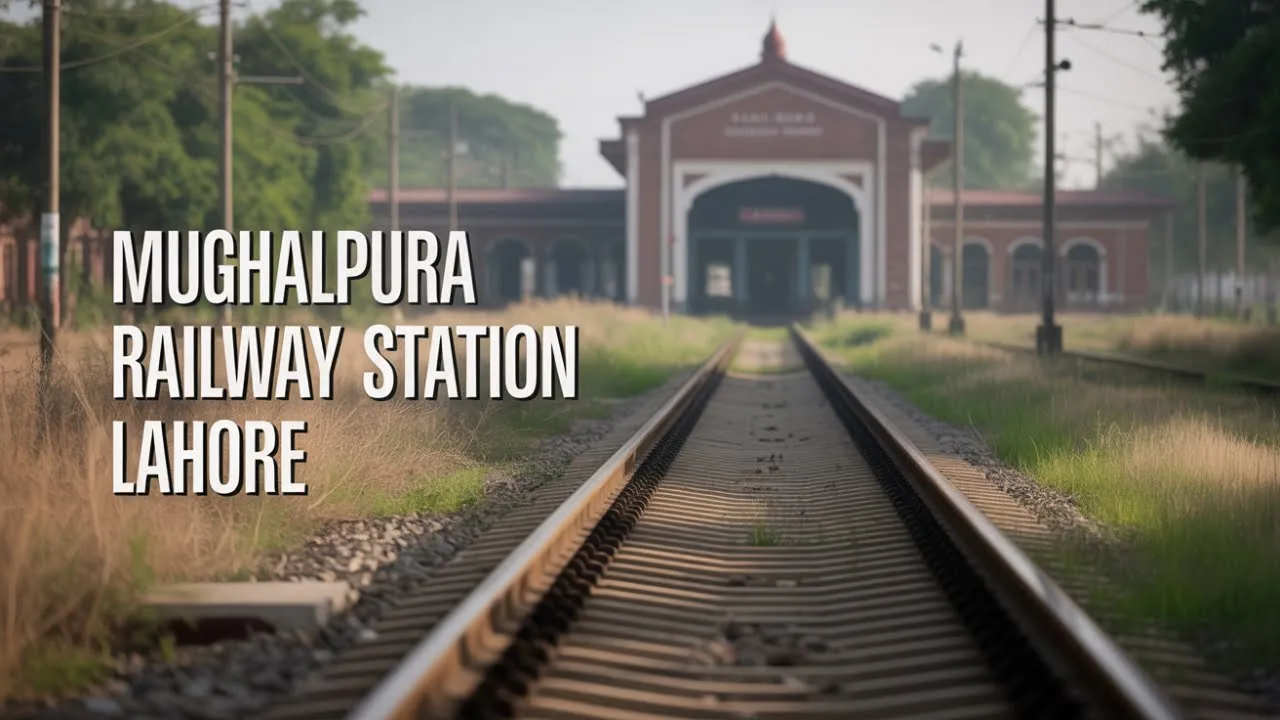
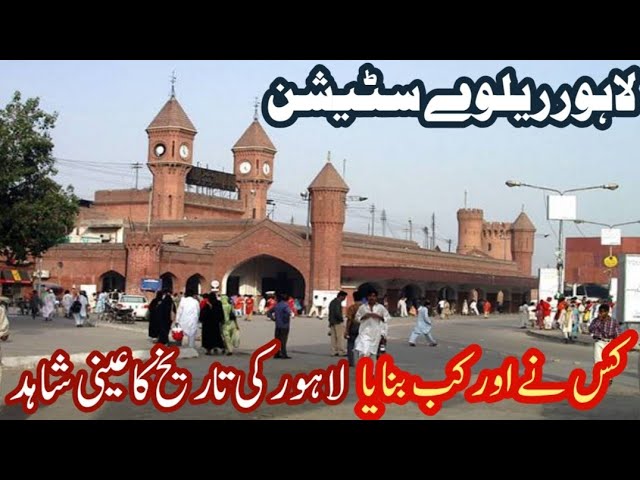
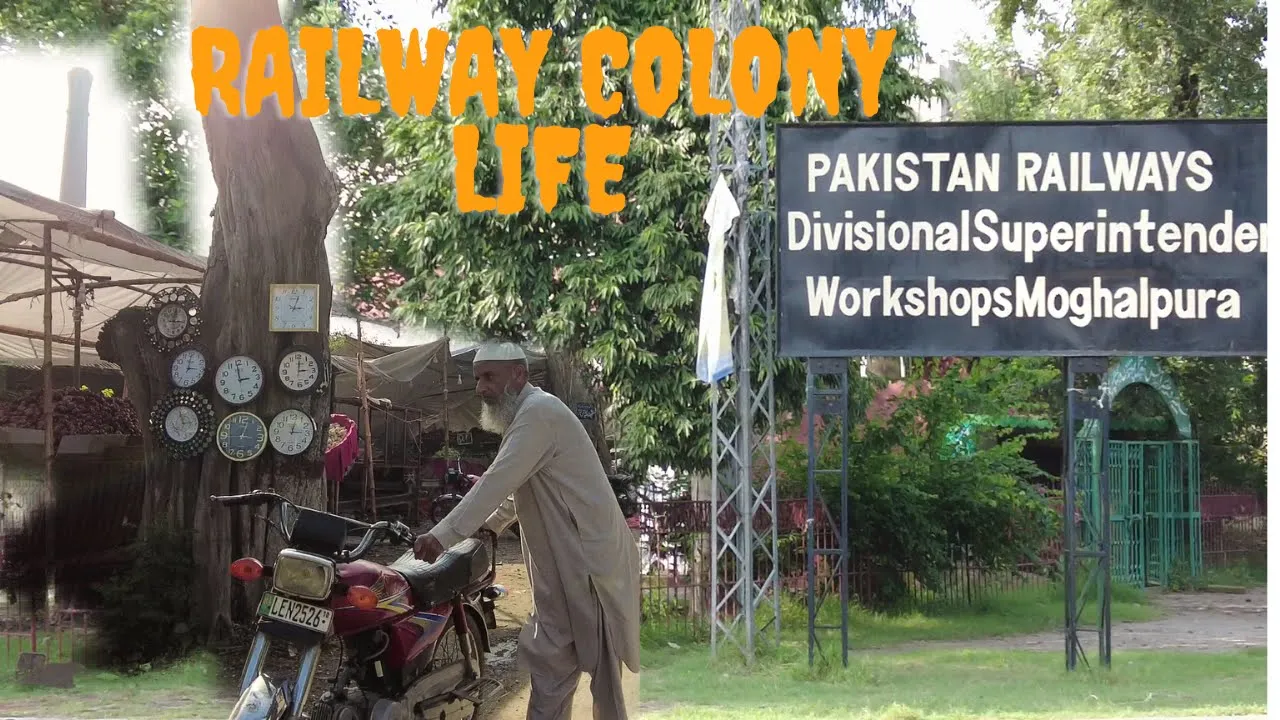
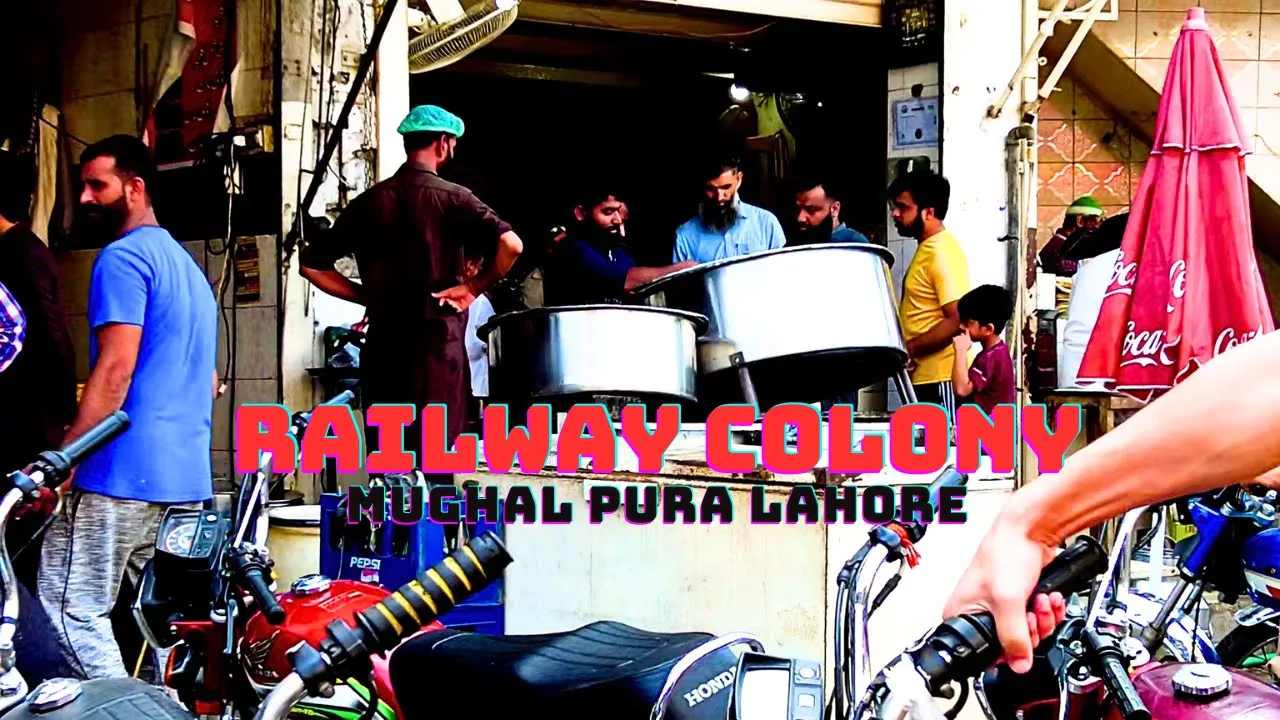
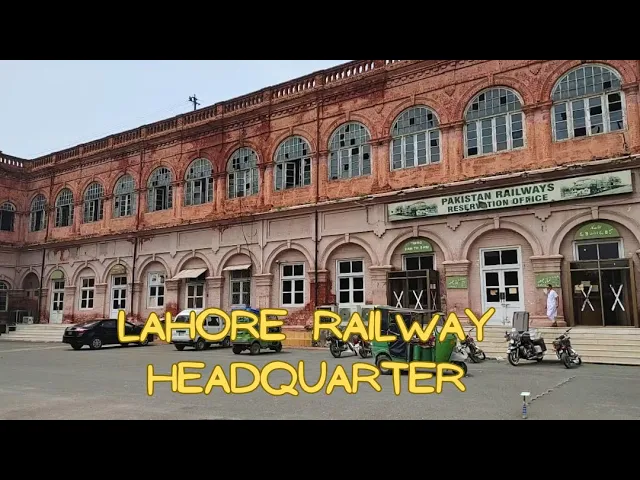
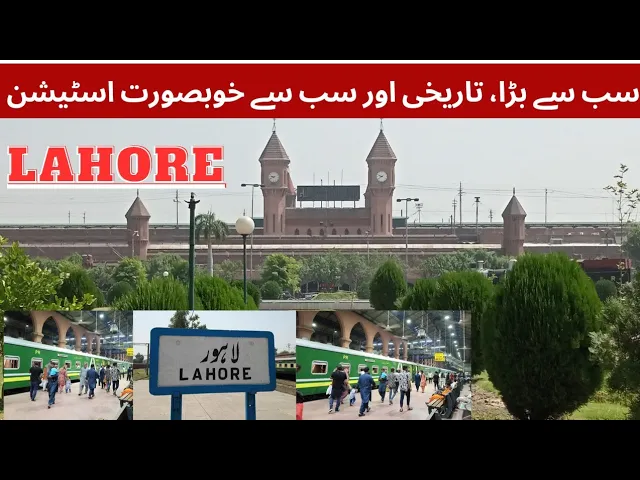
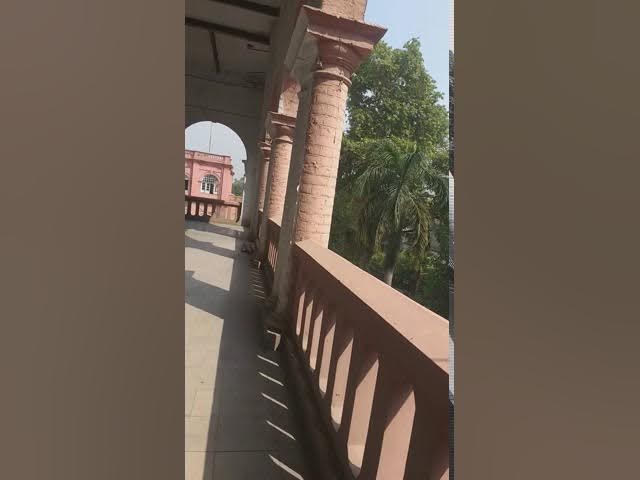
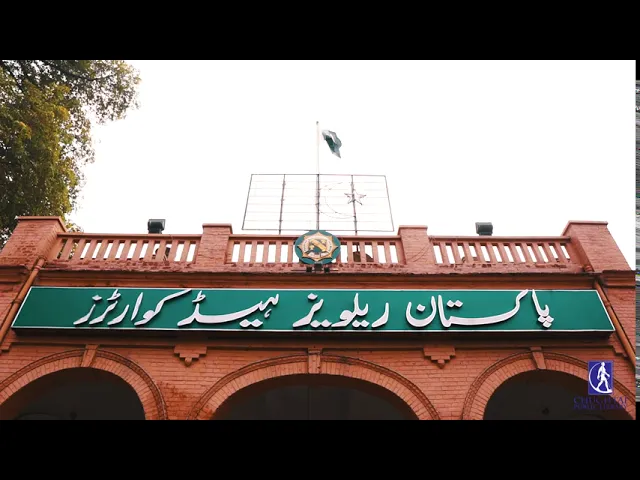
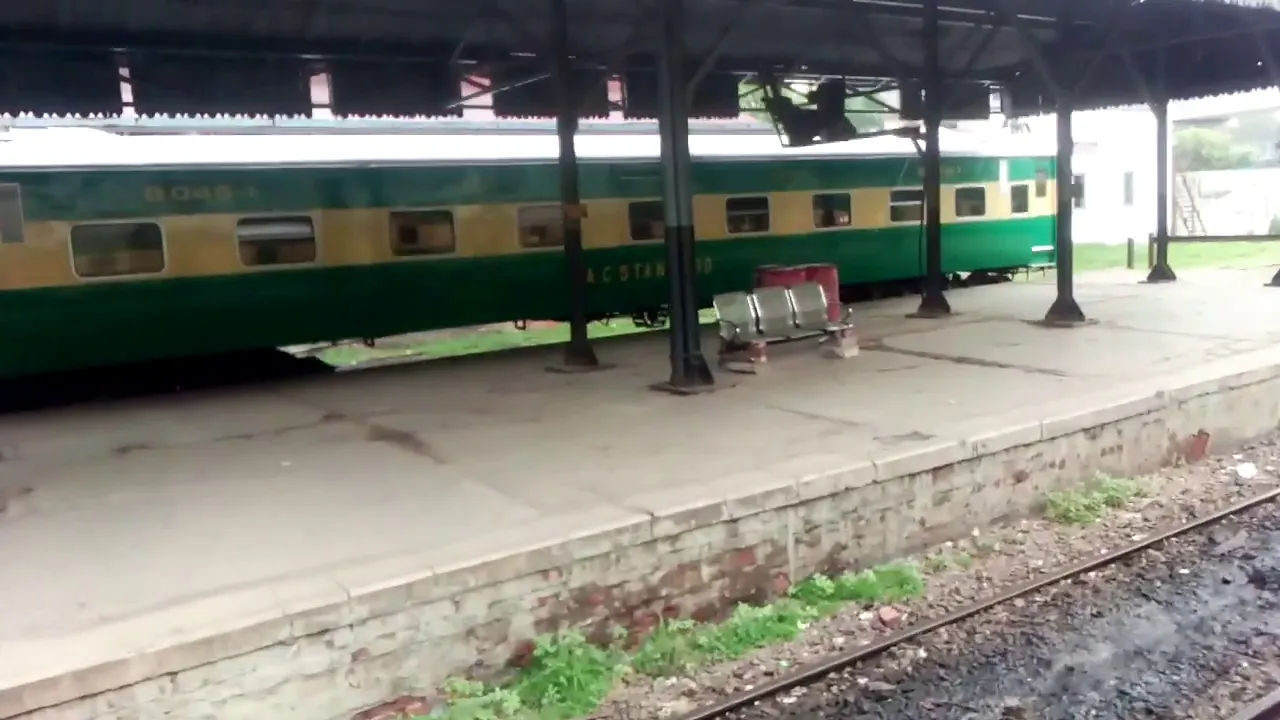
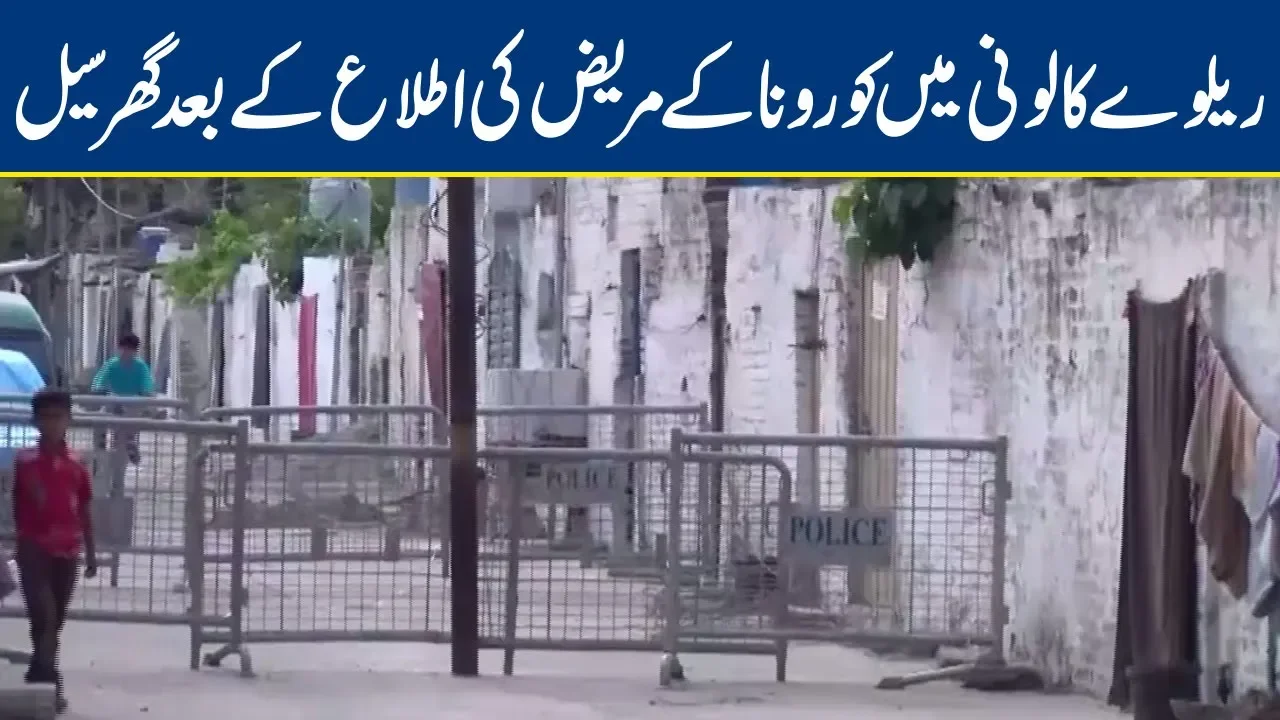
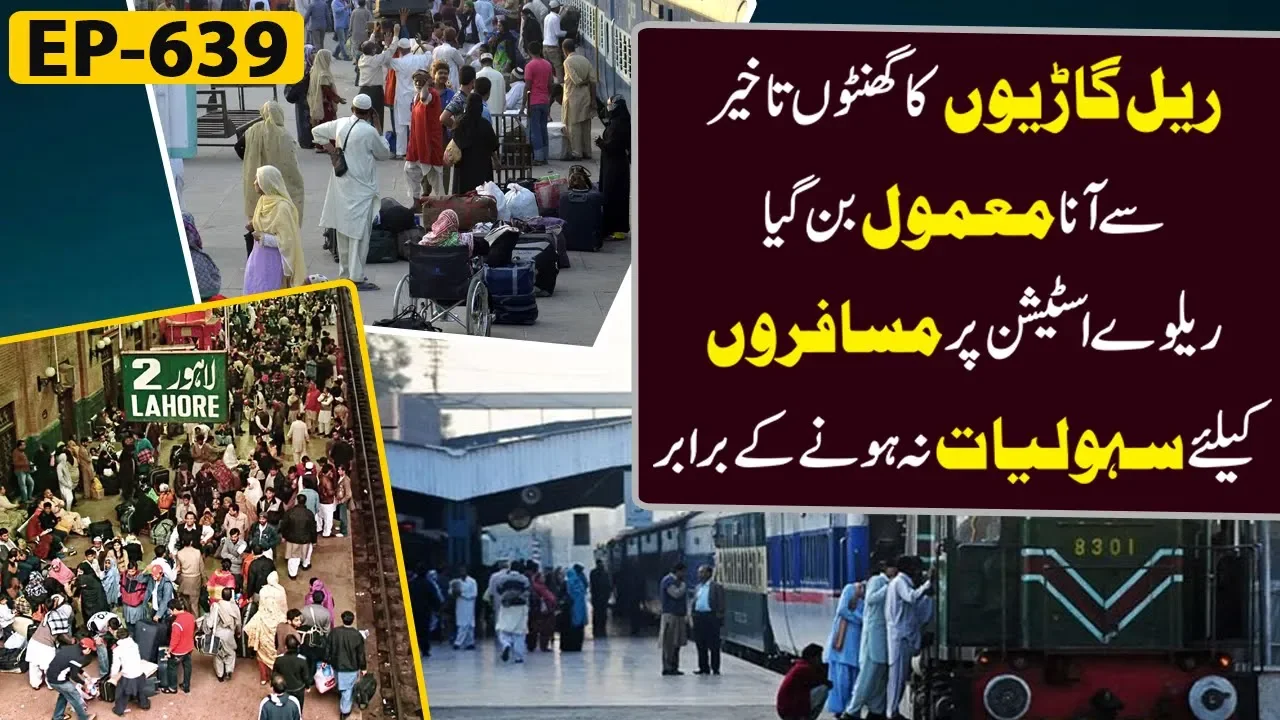
Railway Quarter Lahore is a historic residential community originally established by Pakistan Railways to provide housing for railway employees. It has grown into a well-established and secure neighborhood with essential amenities and a peaceful environment. The community is strategically located near Lahore Railway Station, offering excellent transportation connectivity. Its core appeal lies in its community-oriented lifestyle and reliable infrastructure.
- Developer: Pakistan Railways, a government organization focused on employee housing
- Ideal For: Ideal for railway employees and families seeking a safe, affordable, and well-connected residential area.
Map-calculated
In total
In total
Latest Updates
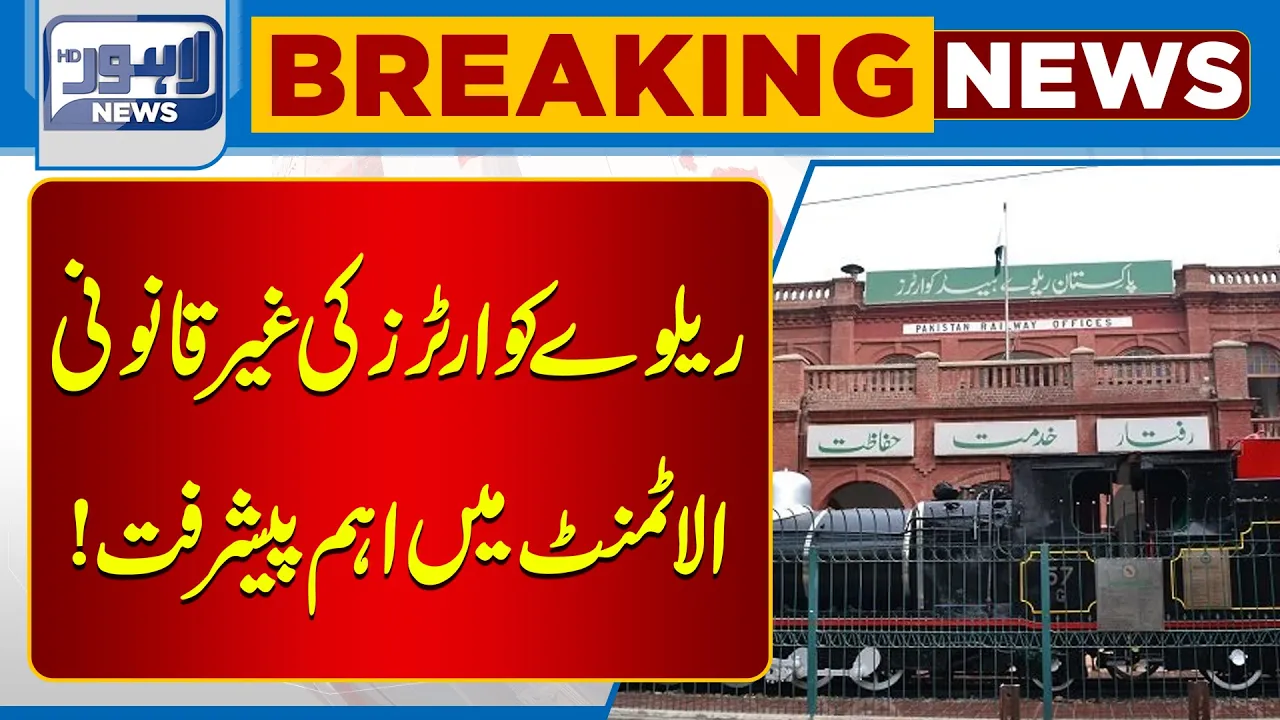
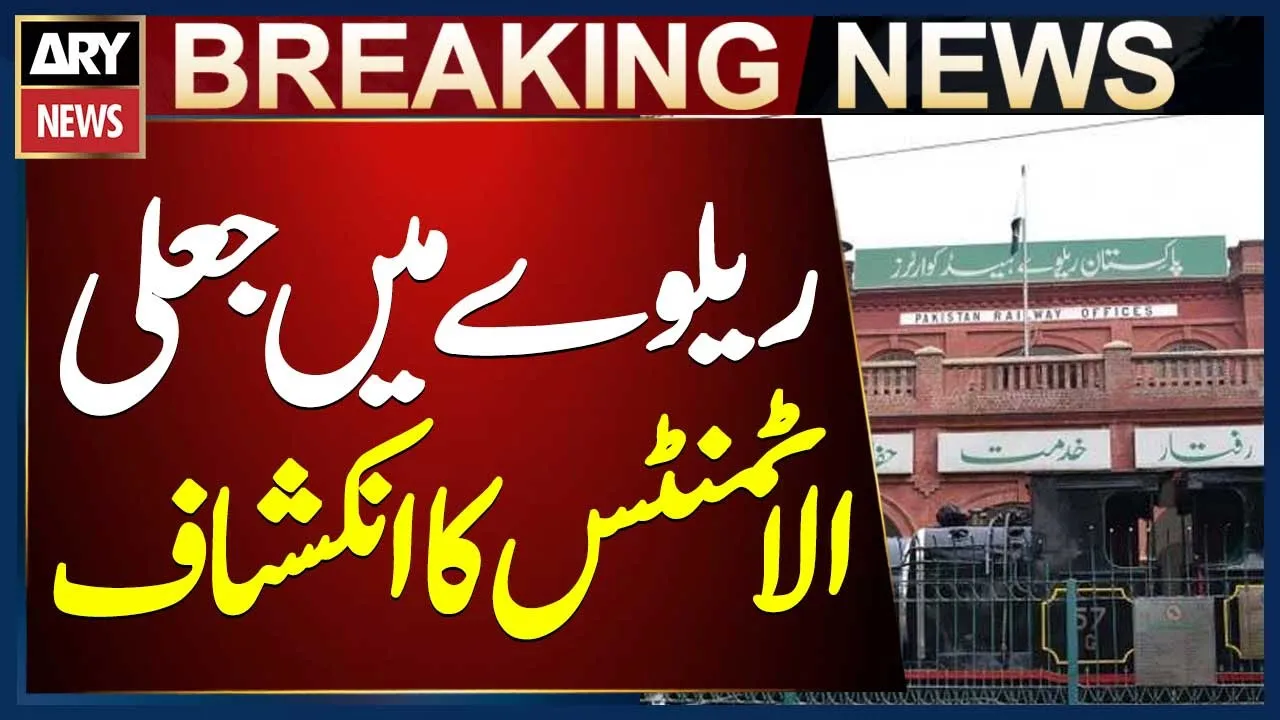
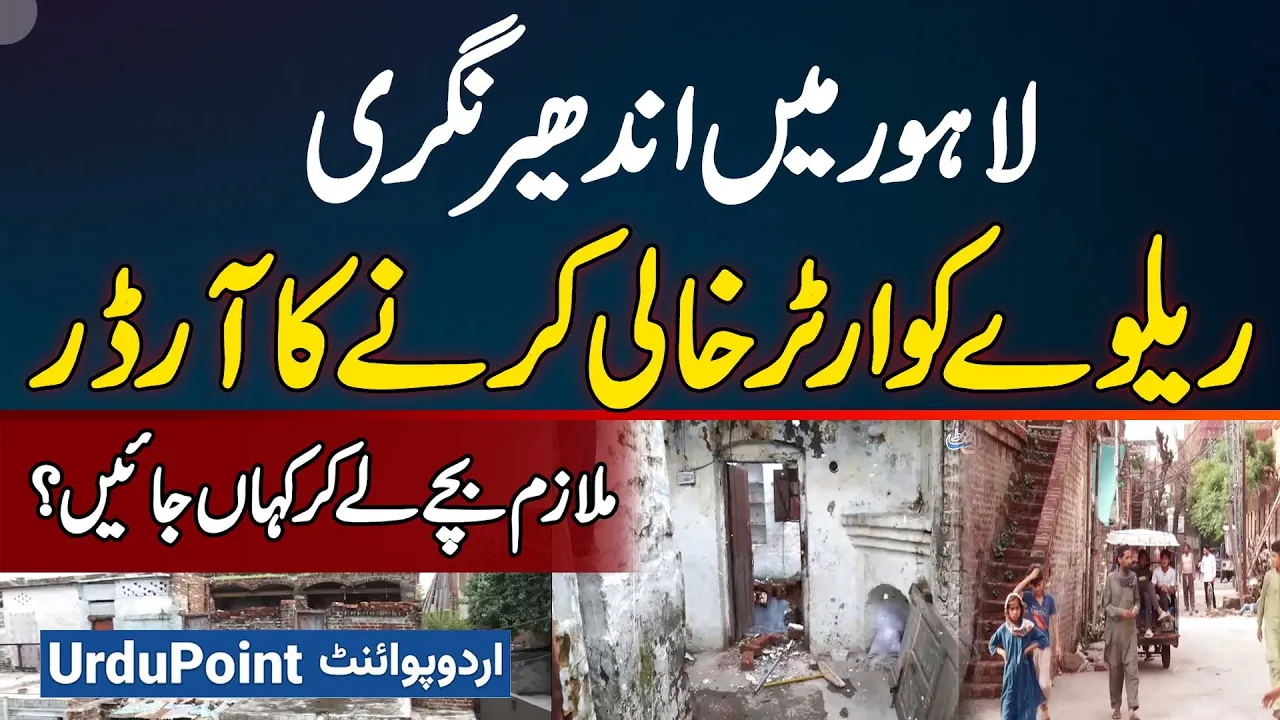
Illegal Allotment Scandal and Forced Evictions in Lahore Railway Quarters
A major scandal involving fraudulent and illegal allotments of railway quarters in Lahore has triggered official orders for clearance, displacing numerous railway employees. Investigations are ongoing into bogus allocations, while affected staff protest amid a severe housing crisis and lack of rehousing plans.
Nolakha Railway Quarters Roof Collapse and Safety Emergency
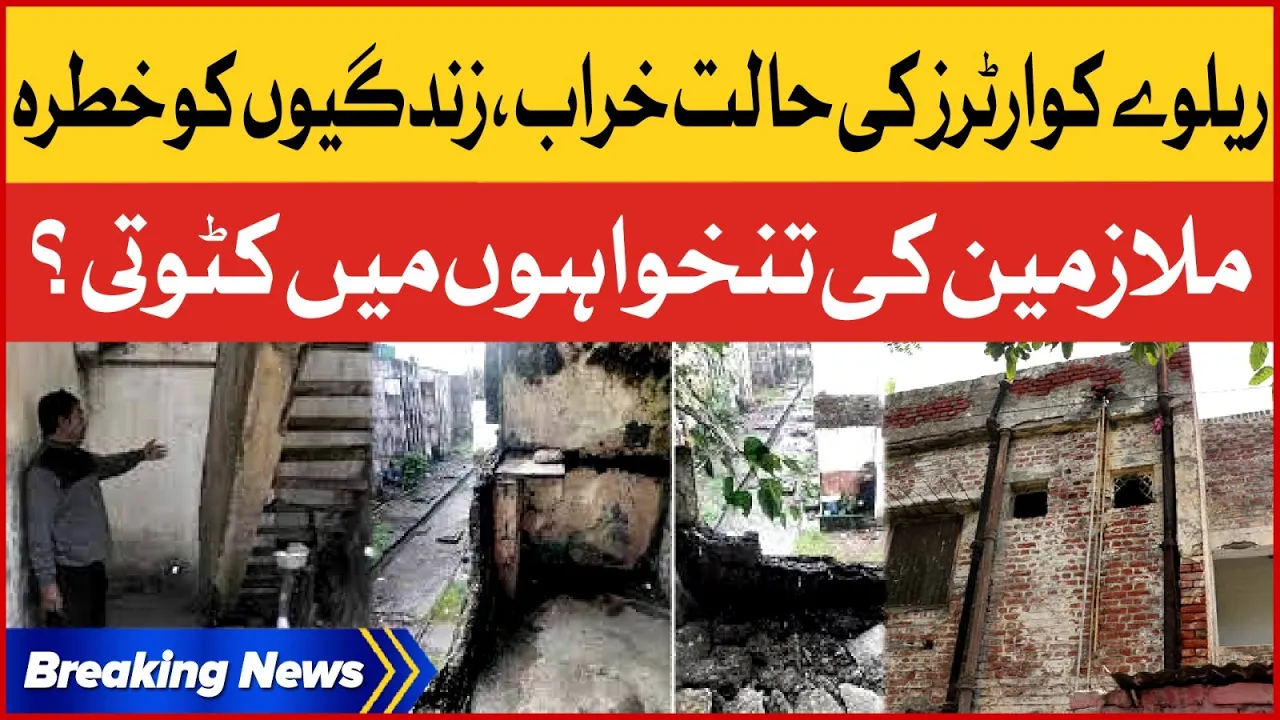
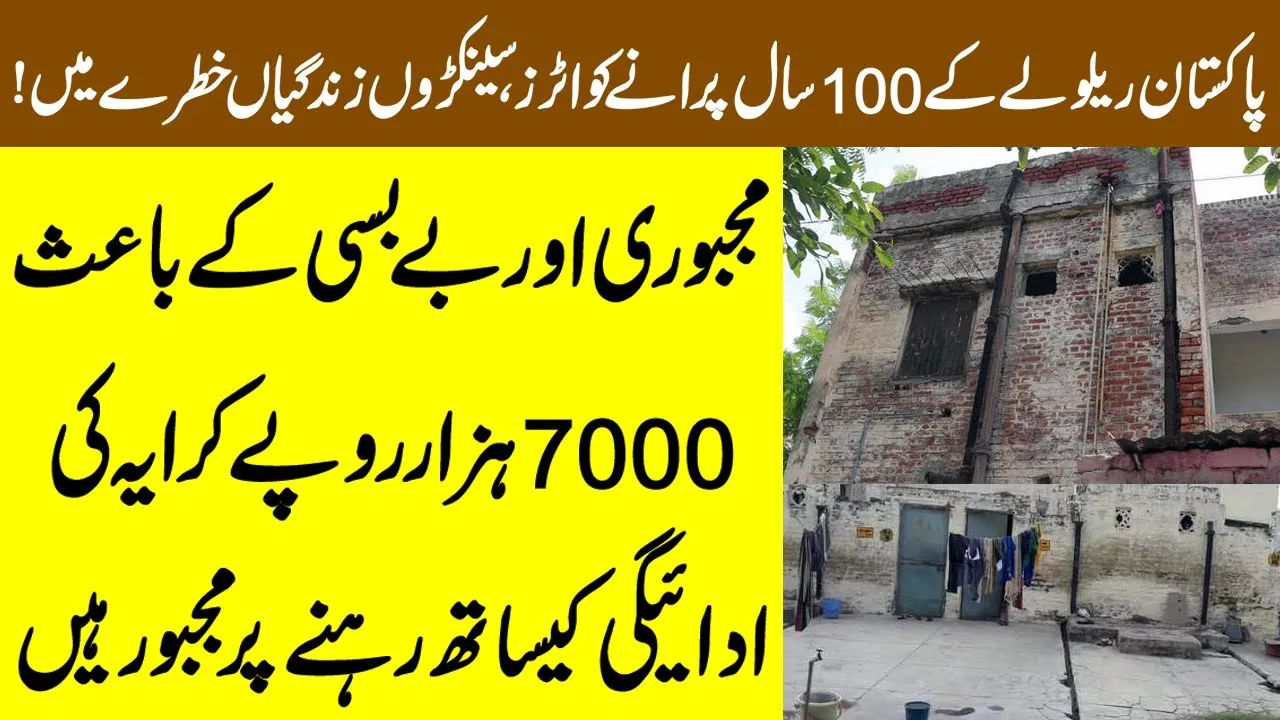
A dilapidated roof collapse occurred in July 2025 at the Nolakha railway quarters in Lahore, injuring residents and exposing the critically hazardous condition of aging infrastructure. The incident underscores systemic neglect, chronic underfunding, and absence of timely repairs — with deductions from salaries continuing despite uninhabitable conditions.
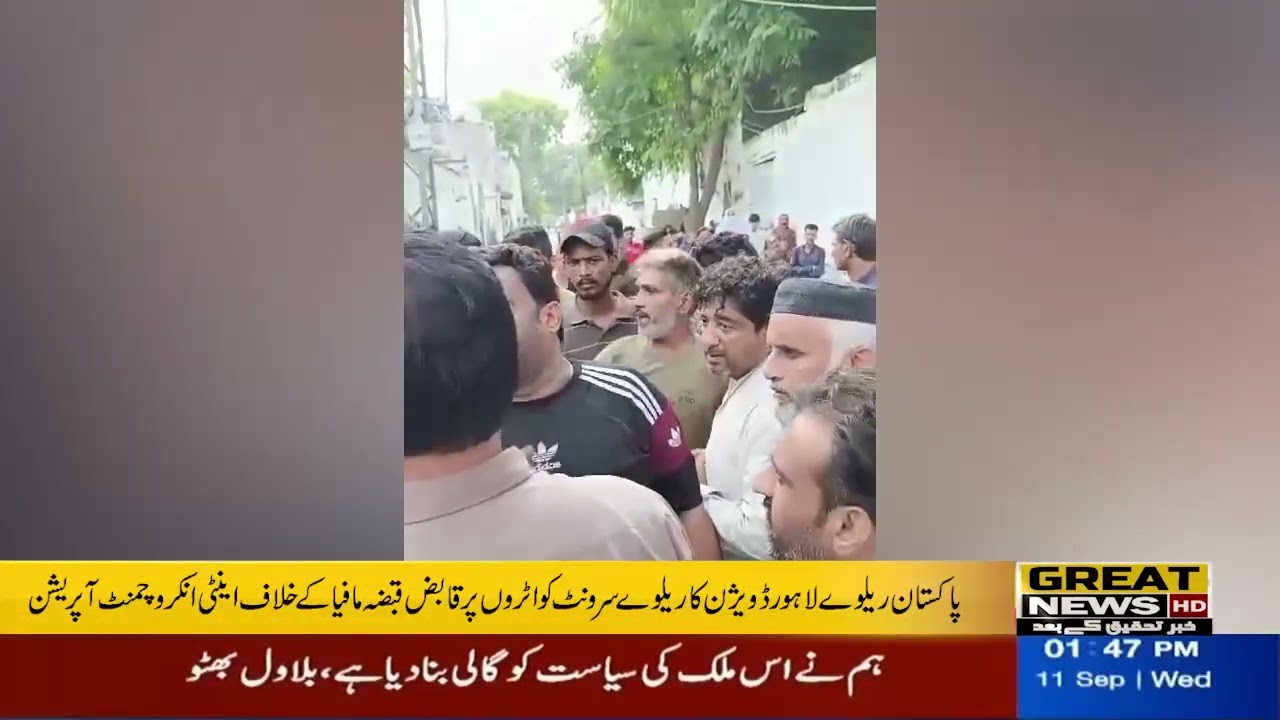
Employee Protests and Housing Crisis Amid Clearance Drives
Railway staff in Lahore have staged protests and public demonstrations demanding urgent rehousing solutions following eviction orders. Social media footage from mid-2025 shows mass emptying of quarters and growing anxiety among long-serving employees left without alternatives — intensifying concerns over institutional accountability and welfare failure.

Strong sense of community where neighbors know each other. Many societies have their own security staff and controlled gates, fostering a familiar and relatively safe environment.

Situated in central or semi-central locations, close to transport routes, providing good accessibility.
Offers low-cost housing, making it an affordable option, especially for lower-income railway staff.

Reports of bogus or ghost allotments of quarters on fake names, with unauthorized occupation. The railway administration has failed to conduct proper surveys and repair work for years.
Residents suffer from pest infestations, contributing to unsatisfactory and unhygienic living conditions.
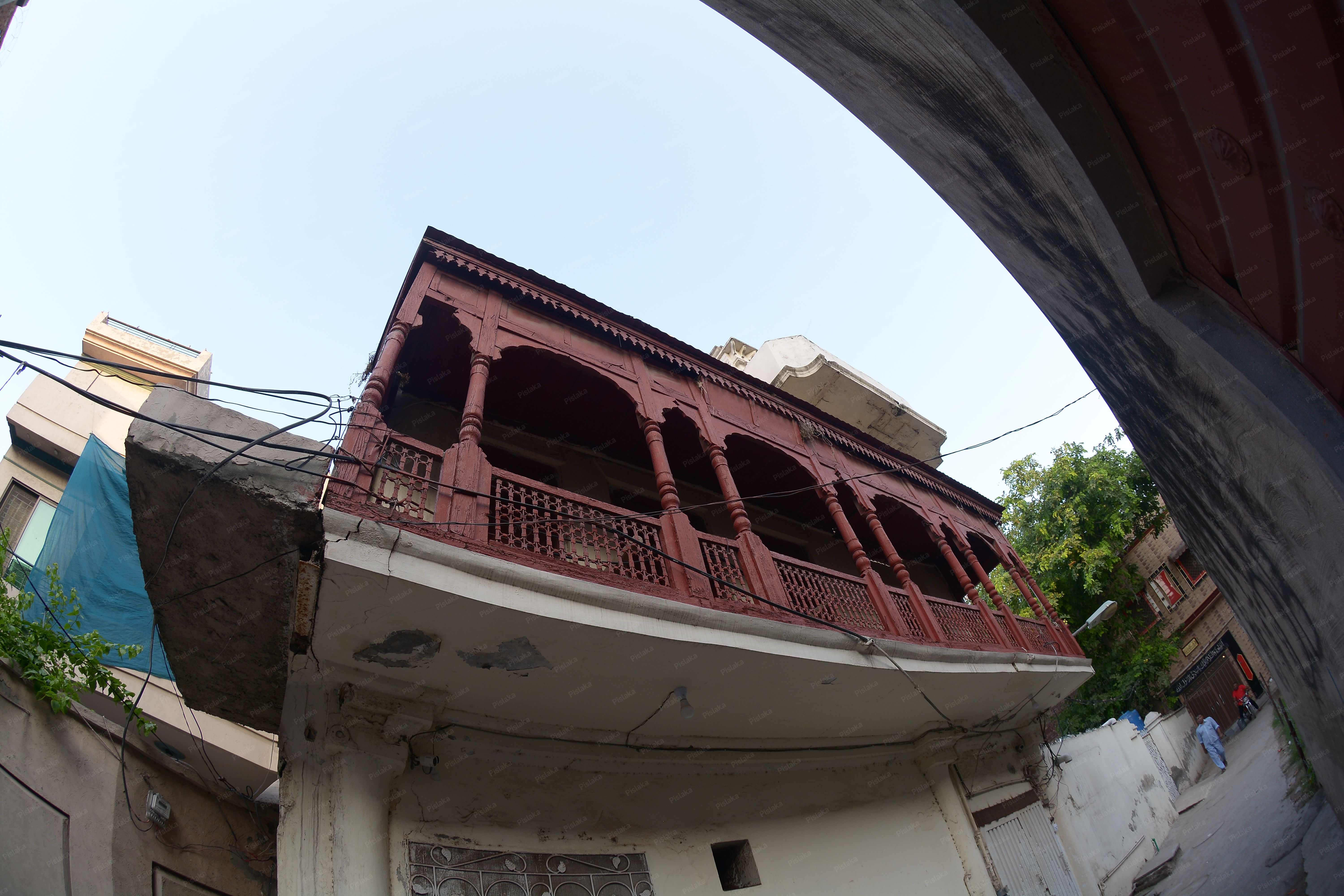
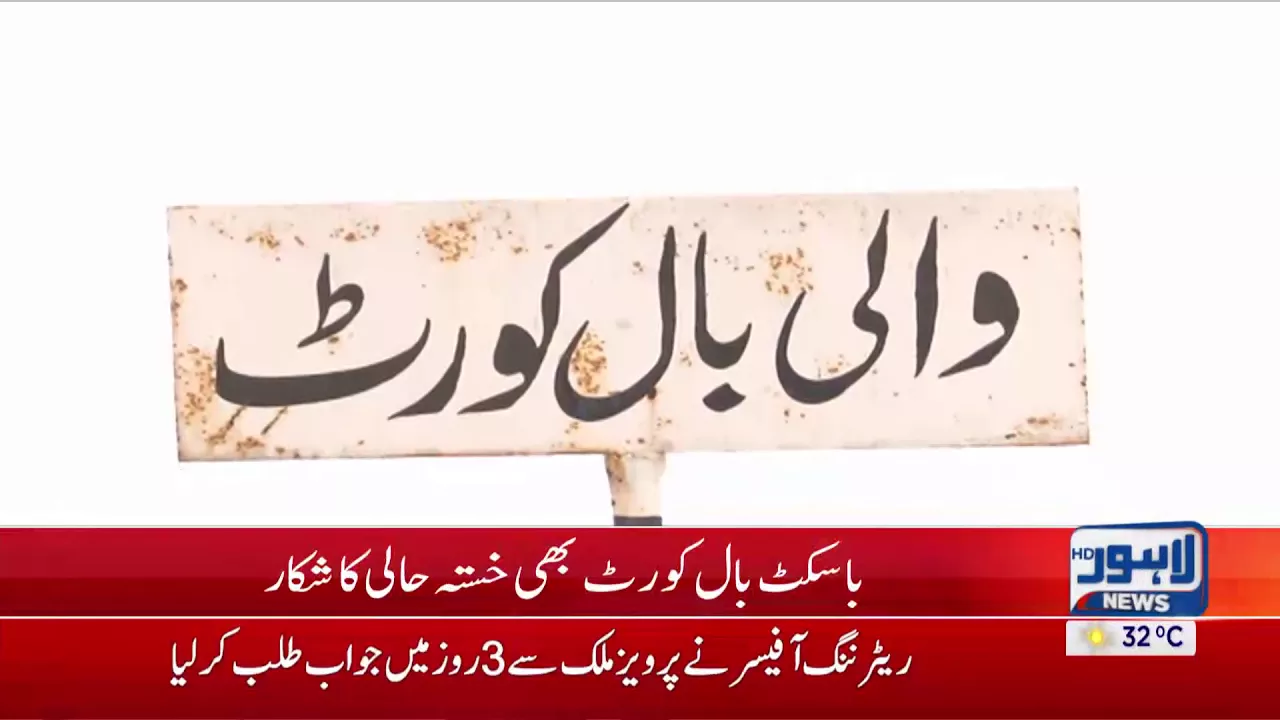
Severely deteriorated housing originally converted from 1912 stables, with cracked roofs, leaky walls, and unsafe structures. Roof collapses have been reported. Buildings have not seen major repairs for decades.
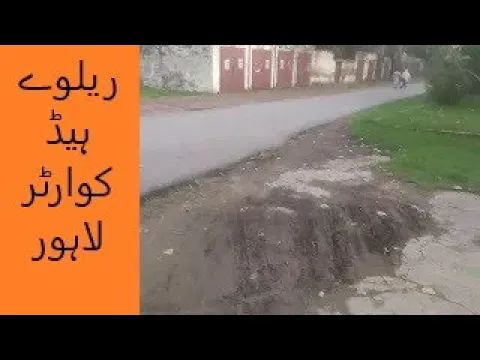
Dysfunctional sewage and sanitation systems, leading to backups and foul odors. The area is unkempt with wild foliage and presents a generally dilapidated look.
Absence of modern facilities and amenities commonly found in newer housing societies.
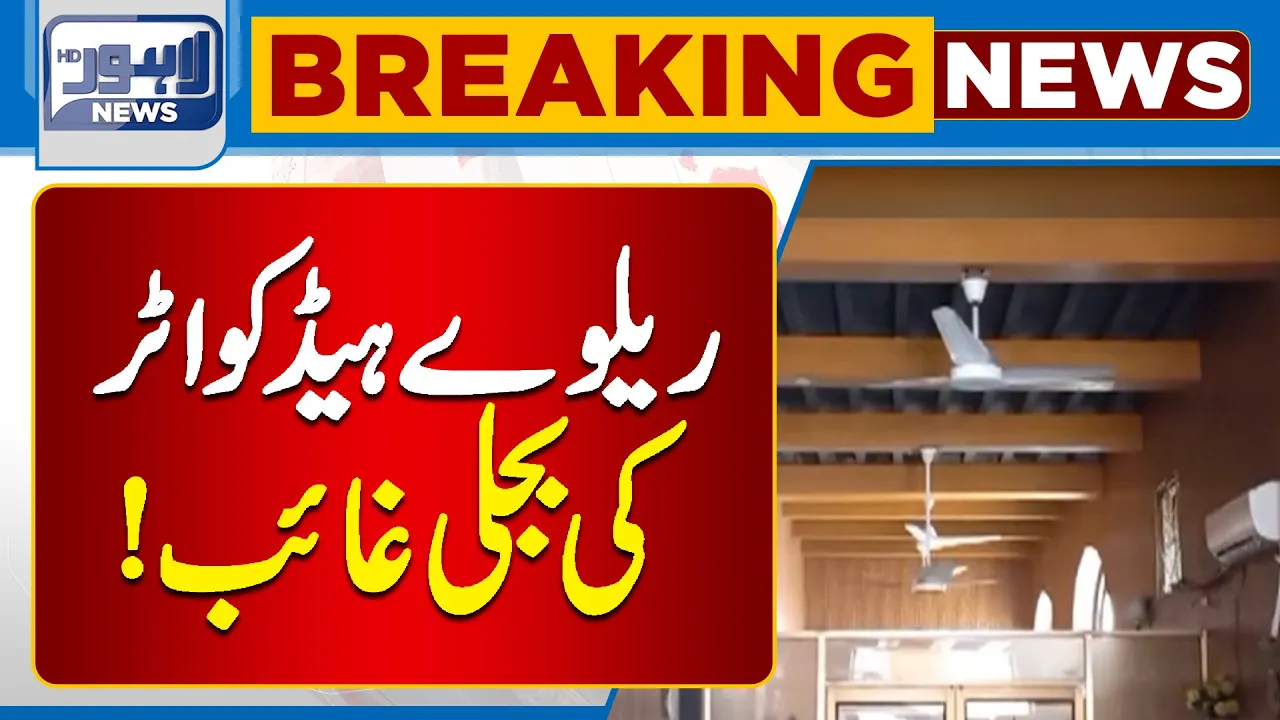
Frequent shortages and unreliable supply of water, electricity, and gas. Many units lack these basic utilities altogether.
Minor repairs that are done are washed away by rain after a few months, indicating a lack of durable maintenance work.