Gujjar Colony















Details
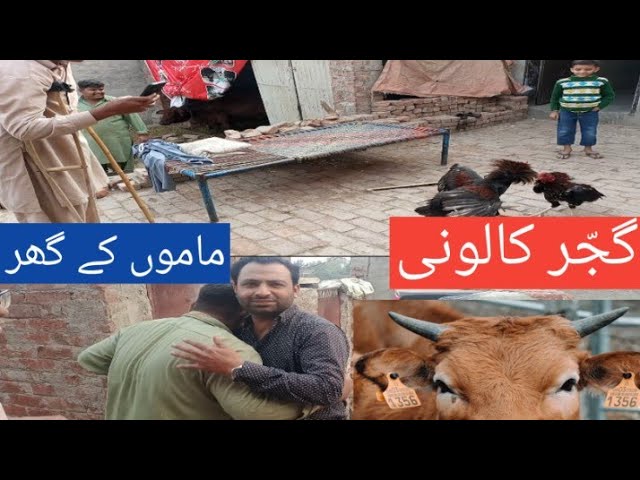
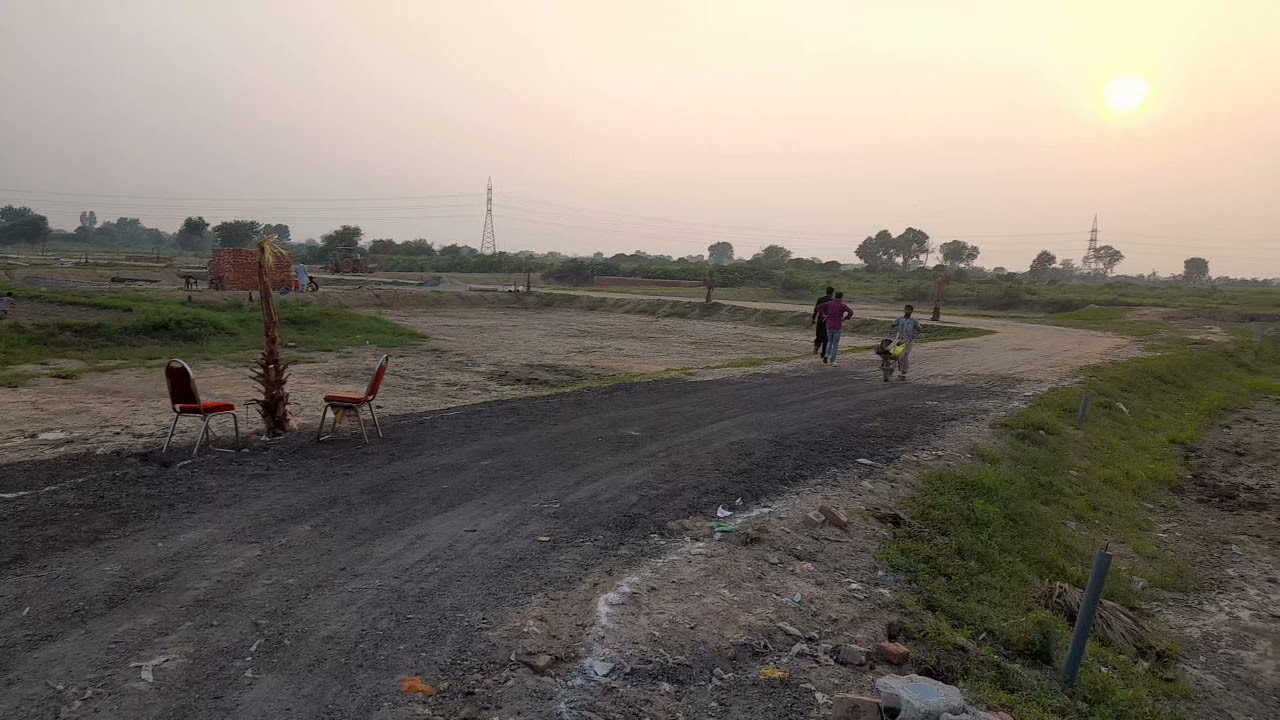
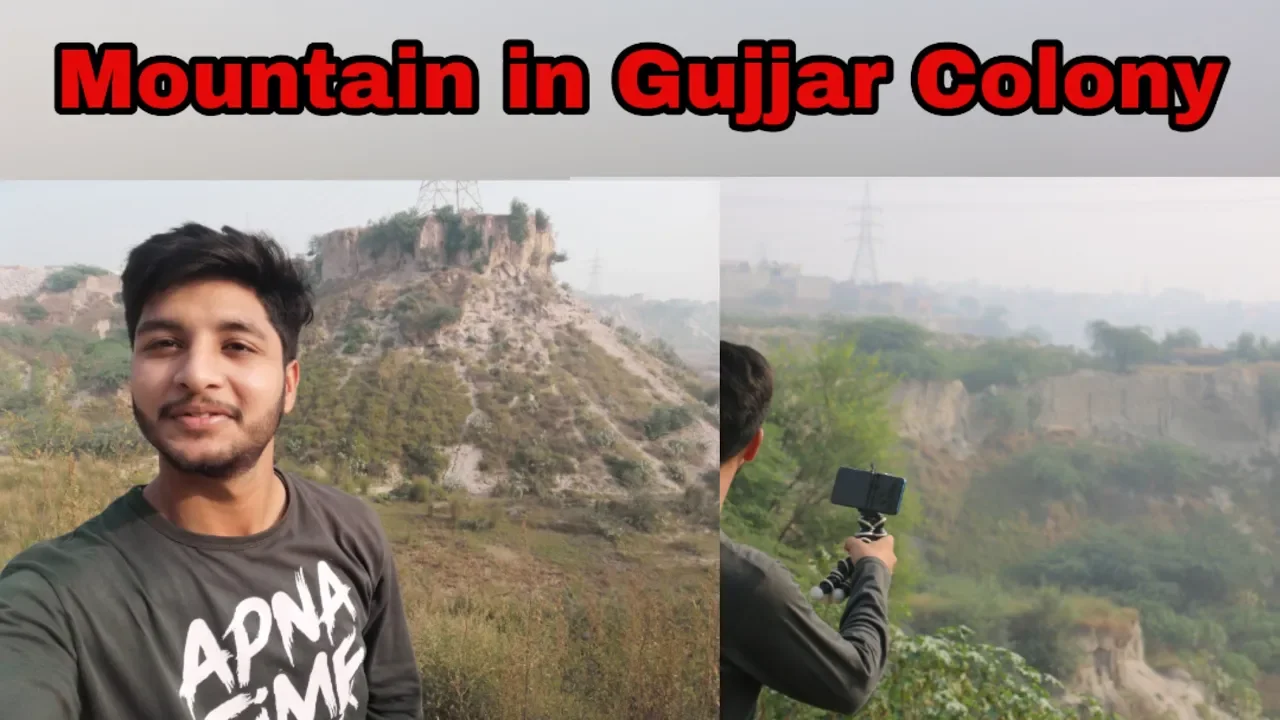
Gujjar Colony is an affordable residential neighbourhood situated on Defence Road, adjacent to the Town Ship Industrial Estate. It primarily consists of small residential plots, commonly 5 marla in size, and offers basic amenities including local schools, mosques, and shops. The area is not a gated society and features easy road connectivity to major arteries like Defence Road.
- Developer: Individual owners and local agents (not a single private developer)
- Ideal For: It is most suitable for first-time home-buyers and investors seeking low-cost development land due to its affordable pricing and location near industrial and commercial hubs.
Map-calculated
In total
In total
Latest Updates
Expansion of Gujjar Colony Biogas Facility Under Punjab Green Credit Program
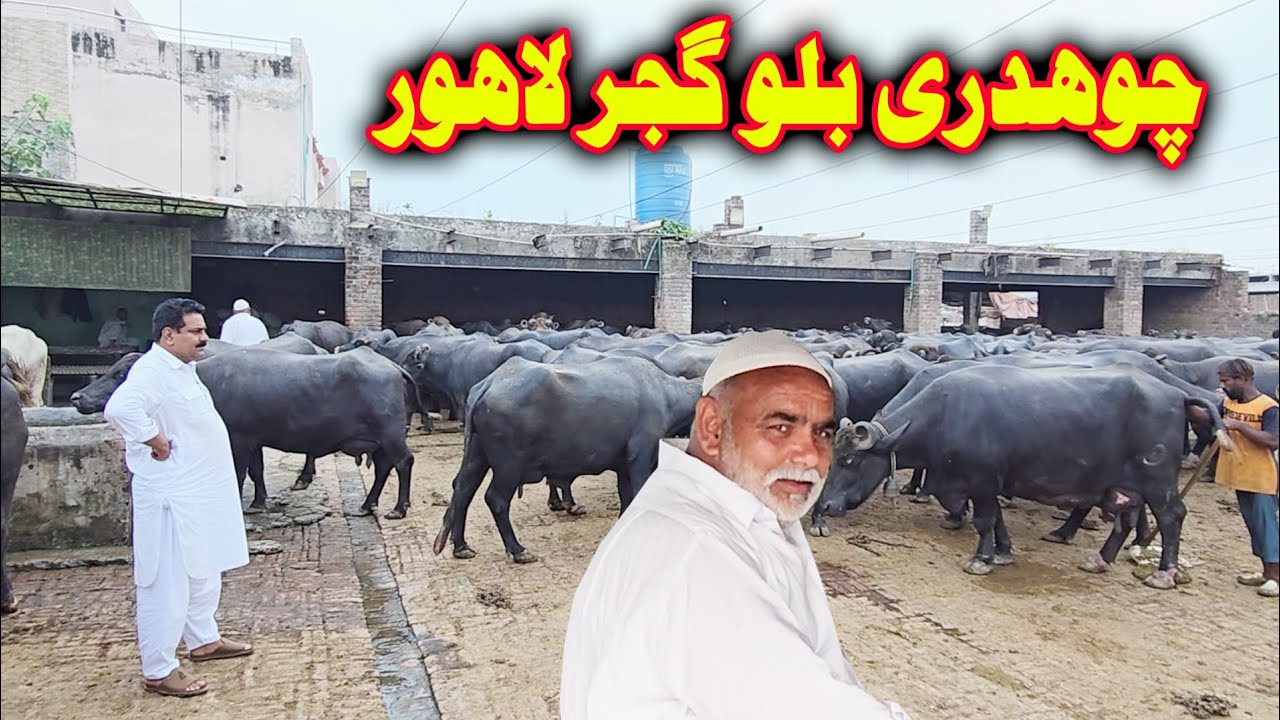
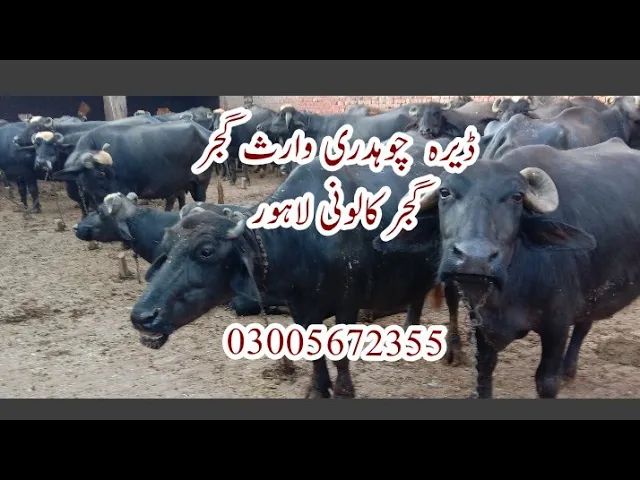
The Punjab government has expanded the existing 12,000 m³/day biogas facility in Gujjar Colony, Lahore, with a new 6,000 m³/day plant capturing methane from ~24,000 livestock. The project converts slurry into phosphate-rich organic manure and generates 22,000–33,000 carbon credit units annually, equivalent to ~245,000 tCO₂e per year, under the province’s Green Credit Program.
LDA Crackdown on Illegal Housing Infrastructure Near Gujjar Colony
The Lahore Development Authority (LDA) conducted enforcement operations dismantling roads, illegal constructions, and infrastructure at Al-Hayat Land sub-division near Gujjar Colony, as well as other unauthorized schemes on Raiwind Road and Sue Asal Road. Officials cited violations of the master plan—particularly encroachment on army/semi-restricted and green zones—as justification for the demolitions.
Symbolic Renaming of Qafila Gujjar to Kesar Road in Lahore
A symbolic street-renaming initiative in Lahore has officially changed Qafila Gujjar to Kesar Road. This change is part of a broader reported effort involving several location renamings—including Islampura to Krishnanagar and Babri Chowk to Jain Mandir Chowk—reflecting cultural and historical repositioning in select urban areas.
Ongoing Cultural and Community Activity Among Gujjar-Jatt Residents
Local TikTok channels—including @jagtars29 and @bilalgujjar58580—continue publishing regular updates showcasing community life in Gujjar Colony, covering festivals, gatherings, traditional expressions, and regional identity. These videos reflect sustained grassroots engagement and cultural continuity among the Gujjar-Jatt residents of Lahore.

Strong sense of community and vibrant local culture with rich cultural heritage.
