Grain Market

Details
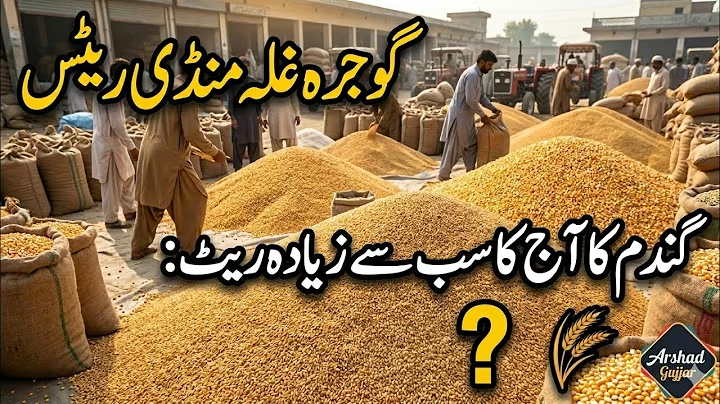
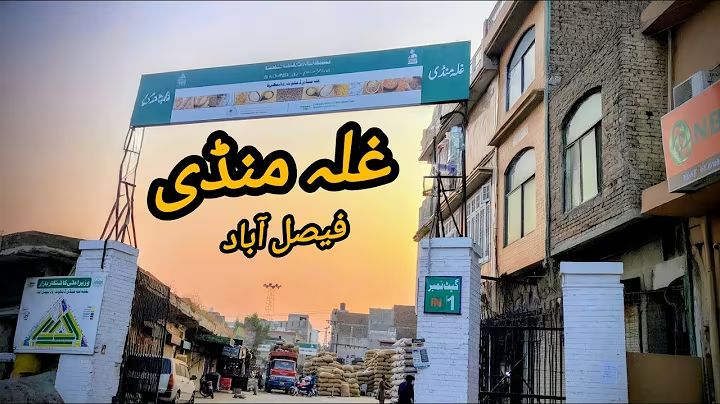
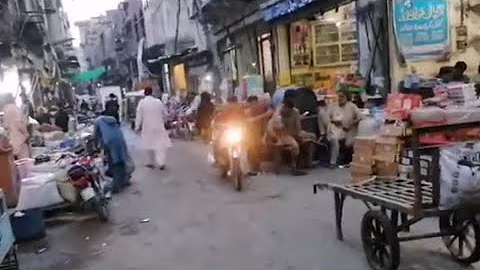
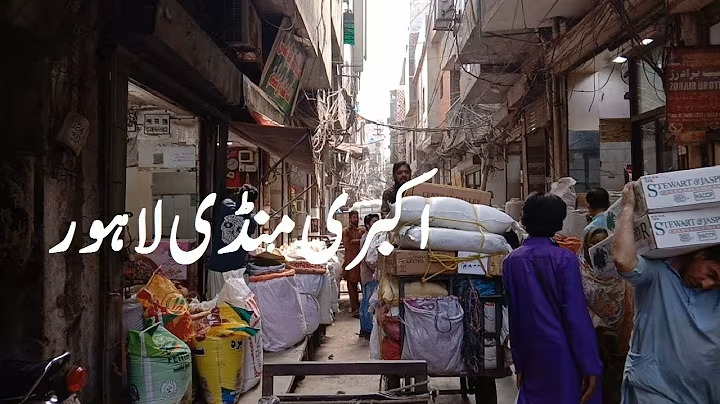
Grain Market Lahore is a historic commercial area that originated as a central hub for grain trade in the city. Currently, it serves as a bustling mixed-use neighborhood with a blend of residential and commercial properties. Its core positioning revolves around being a key market center, offering easy access to various amenities and transportation links. Key characteristics include its vibrant atmosphere, cultural diversity, and economic significance.
- Developer: Local Government Authorities
- Ideal For: Ideal for commercial investors and business owners due to its prime market location and high foot traffic.
Map-calculated
In total
In total
Latest Updates
Sharp Rise in Wheat Prices Amid Government Import Restrictions and Local Supply Shortages
Wheat prices in Lahore's grain markets surged to PKR 3,800–4,200 per 40 kg bag in early 2026, driven by reduced domestic harvests, delayed monsoon rains in Punjab, and the federal government's temporary suspension of wheat imports to protect local farmers. Millers reported inventory shortages, prompting urgent calls for policy review.
Introduction of Digital Mandi Platform to Enhance Price Transparency and Reduce Middleman Margins
The Punjab Agriculture Department launched the 'Punjab e-Mandi' digital trading platform in Lahore in January 2026, enabling real-time price discovery, online bidding, and direct farmer-to-buyer transactions. Early adoption has reduced average transaction costs by 12–15% and improved traceability for wheat and rice.
Rice Export Surge Drives Local Basmati Shortage and Price Inflation in Lahore Markets
Strong international demand—especially from Saudi Arabia and the UK—has led to a 40% year-on-year increase in Pakistani basmati rice exports in late 2025, resulting in acute local shortages in Lahore. Retail basmati prices rose to PKR 220–260/kg, up 28% since November 2025.

Creates economic opportunities for traders, vendors, and nearby shop-owners.

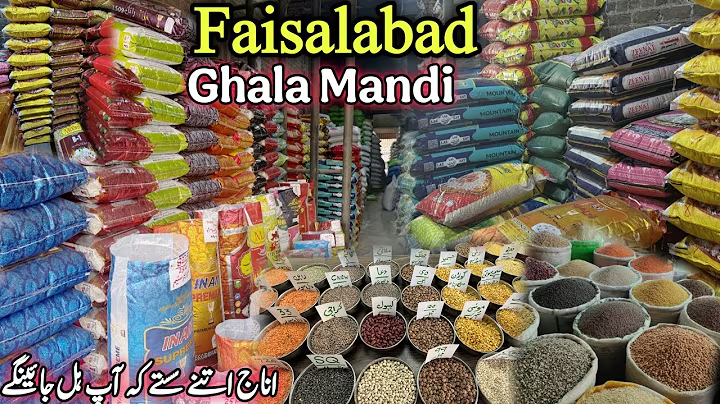
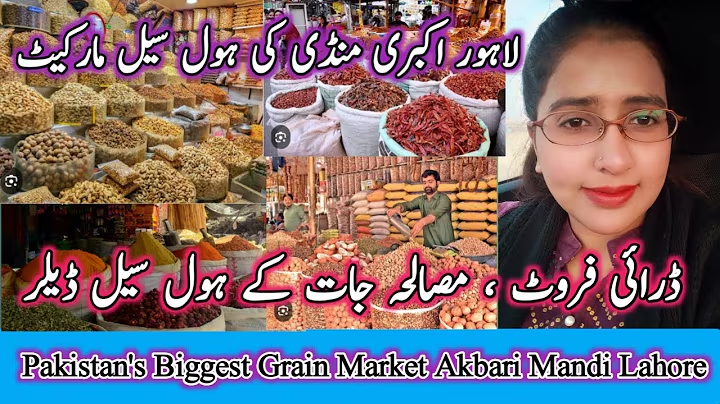
Lively atmosphere with easy access to fresh and inexpensive grains, spices, and seasonal produce at Akbari Mandi, the largest wholesale grain market.
Good public-transport links due to central location.
Cultural heritage that attracts visitors and supports local eateries and coffee shops.

High costs for security, sanitation services, and everyday grocery items in the surrounding neighborhoods.
Occasional foul odors from nearby drainage channels, especially in Block J, Sector 2.
High crime rate, including robberies and murders.